TECHNICAL SPECIFICATIONS
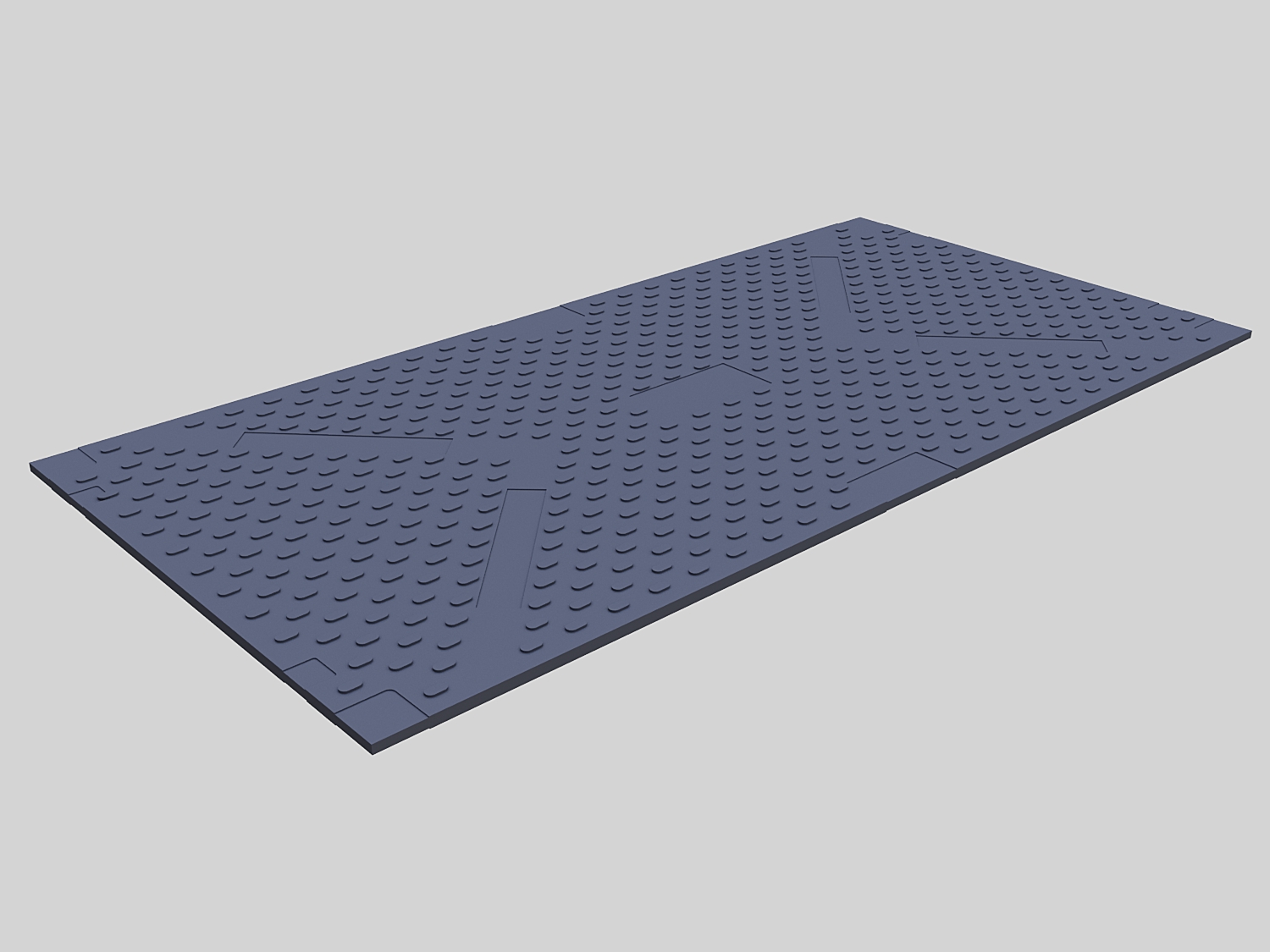
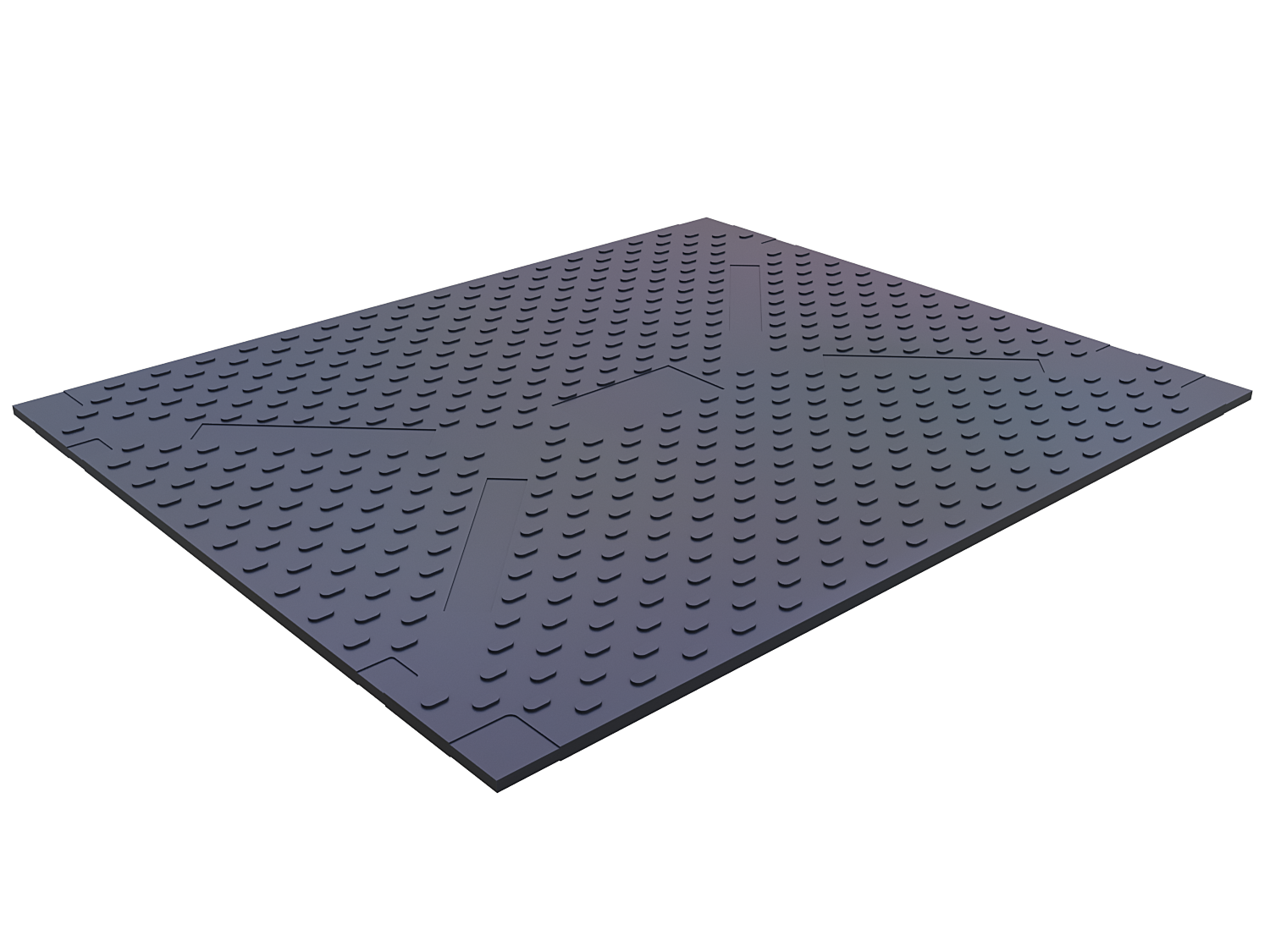
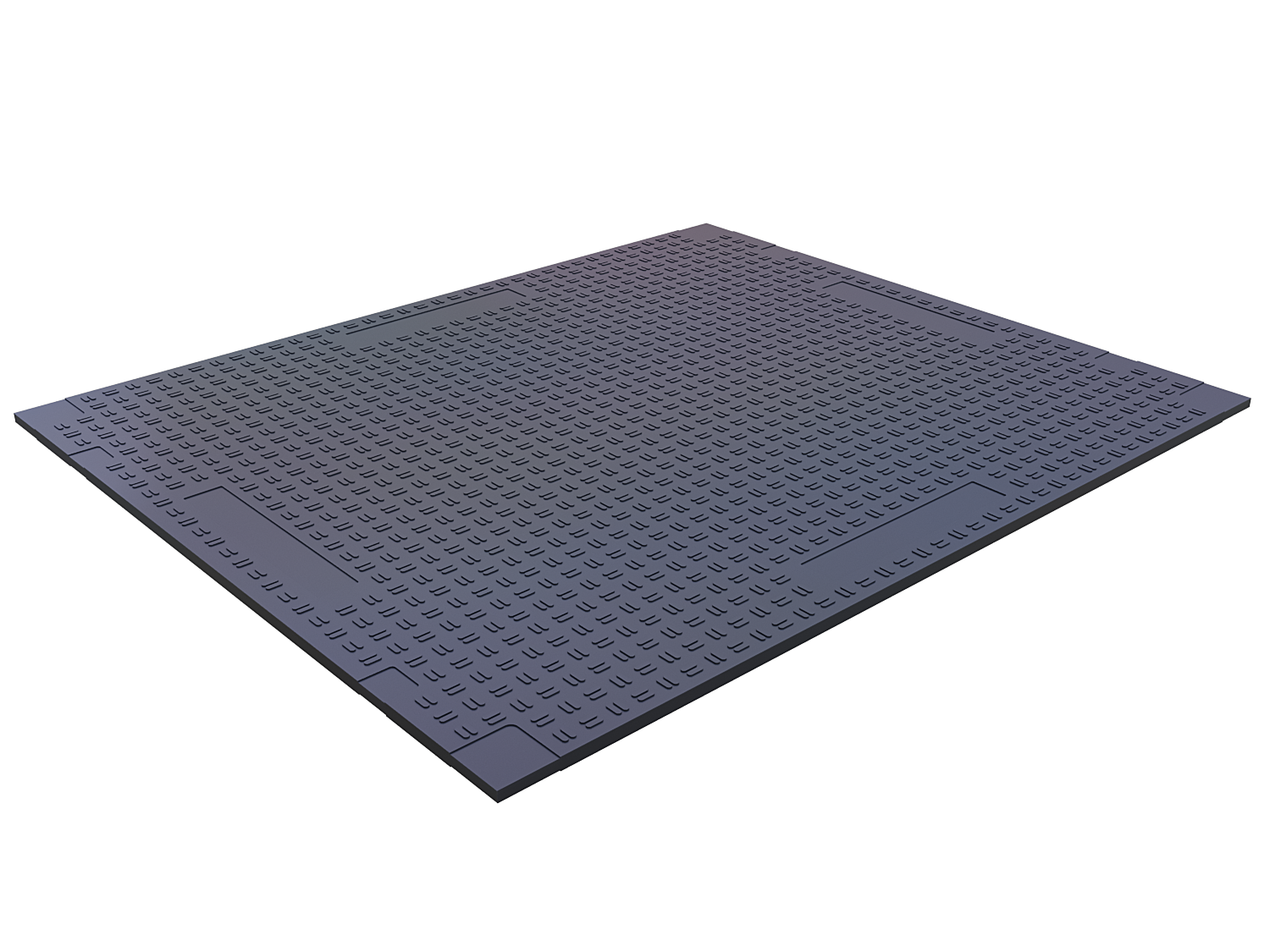
Dimensions: 3000x2500x38mm
Double Side Pattern(6 mm +3 mm)
Weight: 295kg/unit
Load: 150 Tonnes
Material: UHMWPE
Temperature ranges: -50 degrees Celsius to +70 degrees Celsius
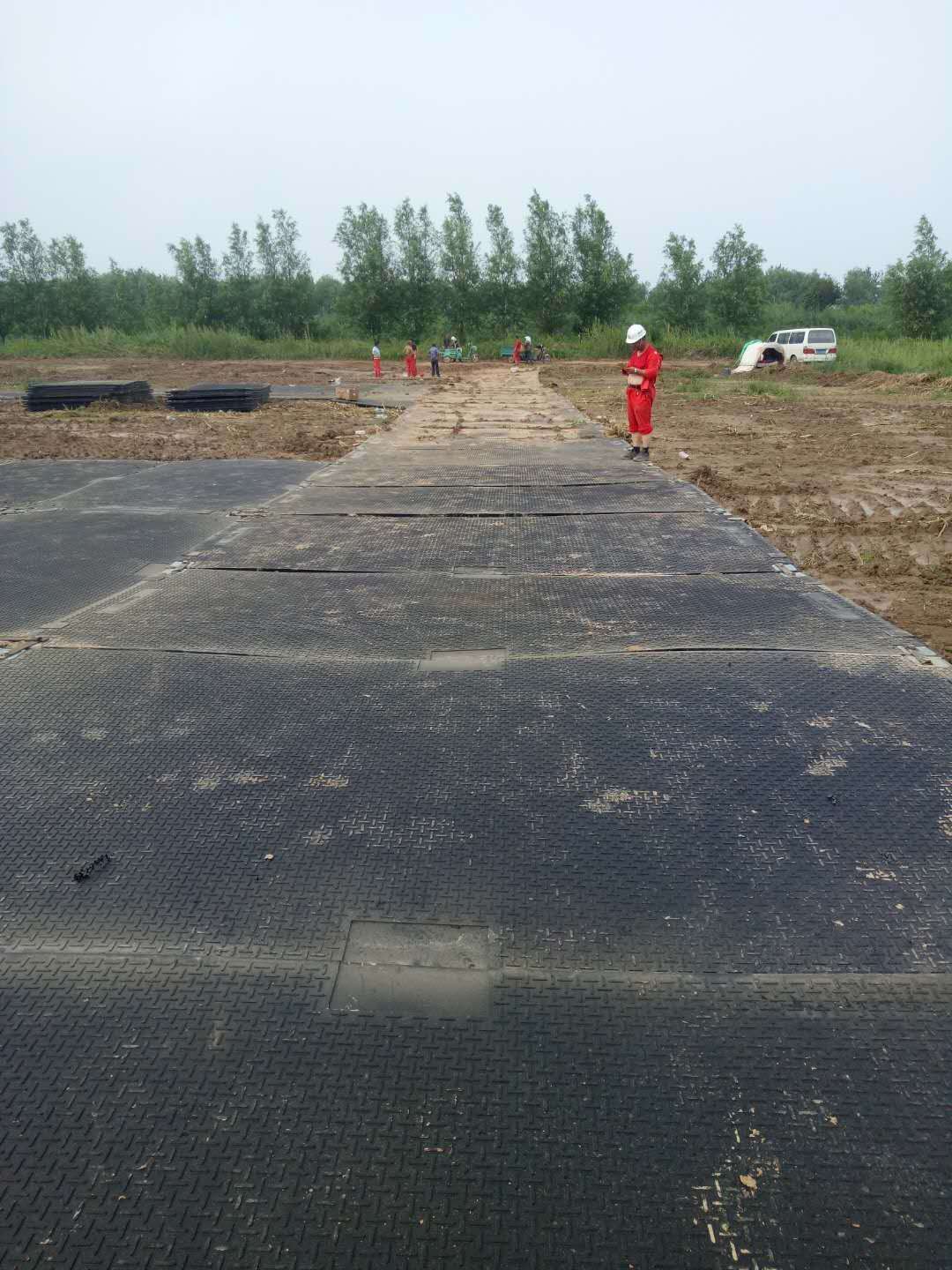
COMMON USES
The UHE(TT1) is commonly utilized in the oil industry for common operations in addition to
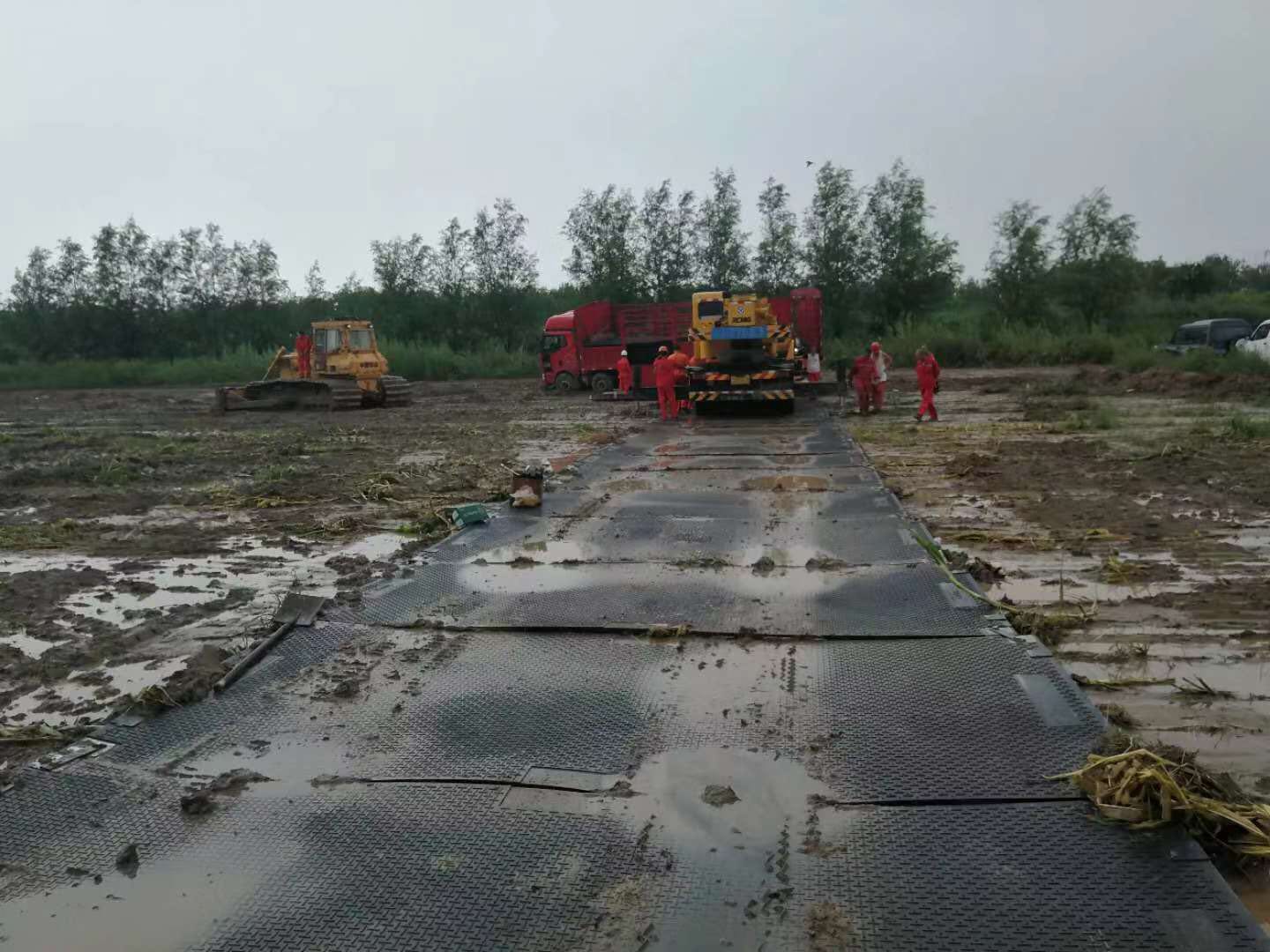
exploratory expeditions prior to construction. The mats are also widely used in bridge and
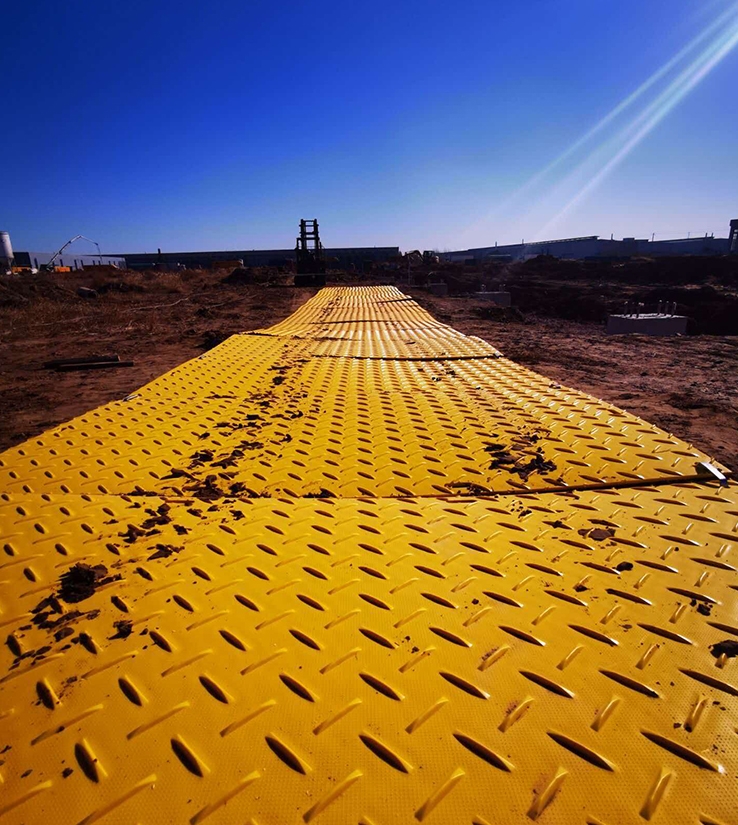
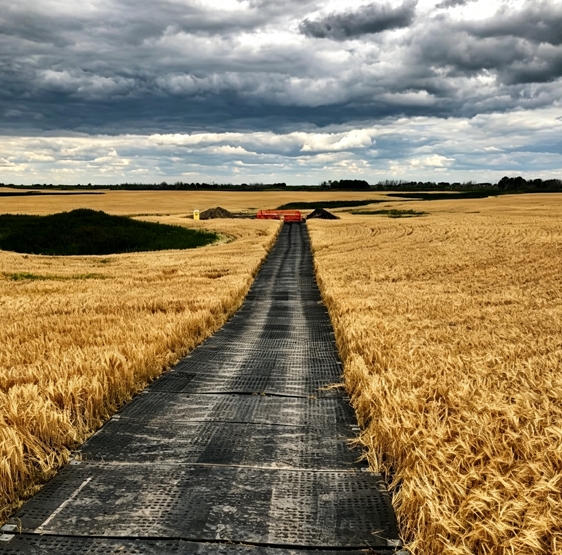
road construction, traffic recovery, natural disaster relief efforts, among many others. The
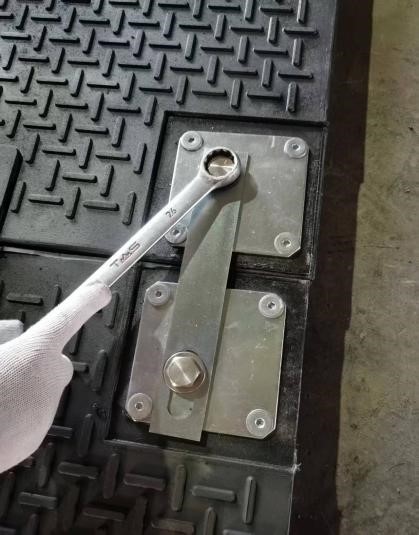
mats are placed horizontally on the ground and utilize connectors to connect multiple
mats in whatever orientation is needed to form a road for construction vehicles,
operations centres, or platforms for heavy equipment.
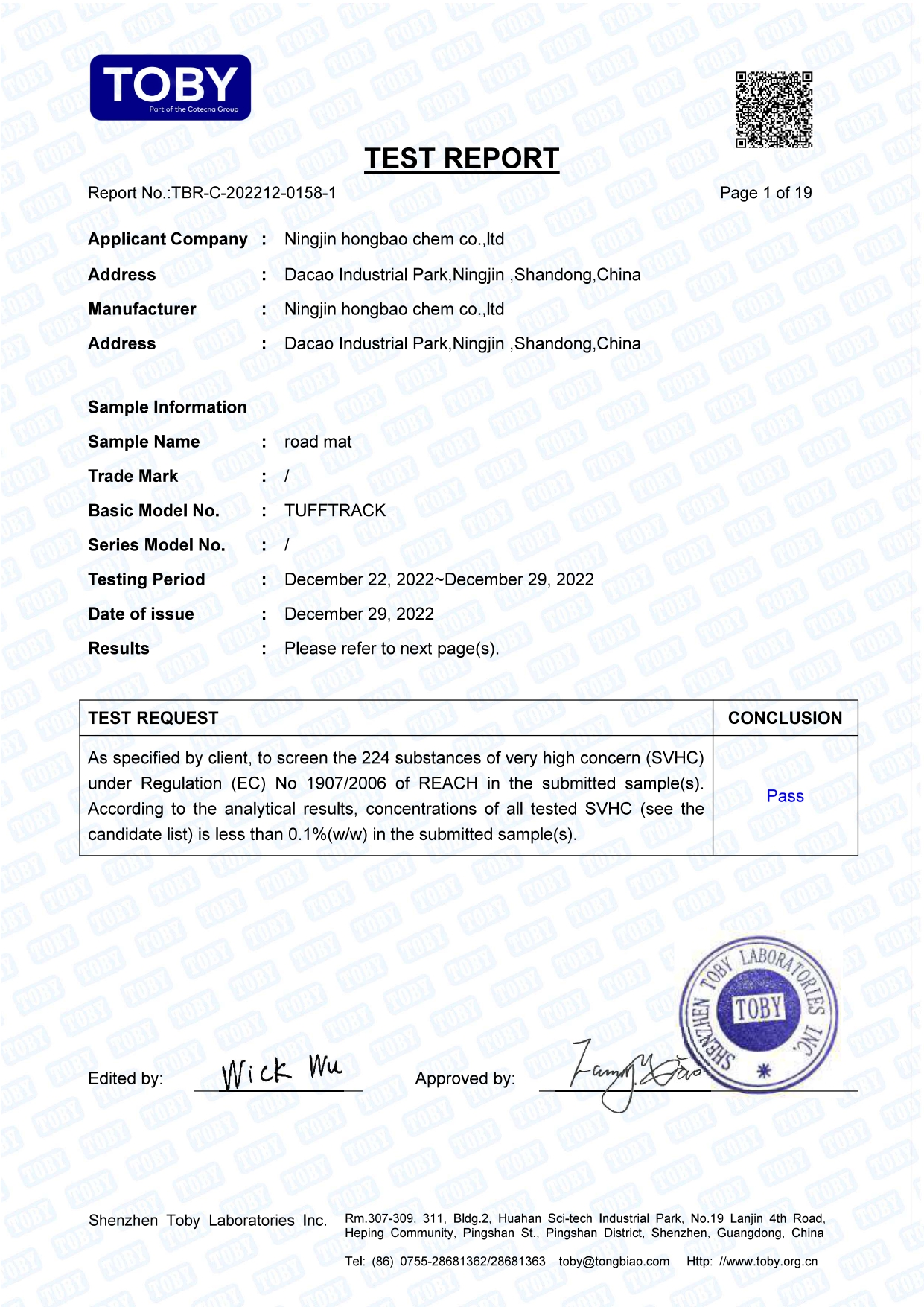
*****Raw material performance PE500
Performance | Data | Unit | Test Method | RE |
specific gravity | 1.00 – 1.01 | Grams / cubic centimeter | ISO 1183 | |
water absorption rate | < 0,01 | % | DIN EN ISO 62 | |
Mechanical properties | Data | Unit | Test Method | |
Tensile yield stress | > 20 | 20 Newton/square millimeter | ISO 527-2/1B/50 | |
Yield Stress Elongation | >8 | % | ISO 527-2/1B/50 | |
Tensilemodulus of elasticity | 900 | Newton/square | ISO 527-2/1B/1 | |
Impact strength | o.B./n.b. | Millijoules/ square millimeter | ISO 179 | |
Shore hardness D | 64 | --- | ISO 868 | |
Fire resistance | Data | Unit | Test Method | |
Fire resistance | HB | UL 94 | RE | |
thermal conductivity | 0,41(*) | W/m.K | DIN 52612-1 |
Linear expansion coefficient | 2*10"-4 (*) | 1 0"6/K-1 | DIN 53752 |
Temperature range(short time) | -50 0 000 120 | oC | |
Temperature range | -50 0000 80 | oC | |
Grain melting range | 133-138 | oC | DSC |
Data | unit | Test Method | |
resistance | > 10"13 | ΩxCM | DIN VDE 0303 |
surface resistance | > 10"12 | ΩxCM | DIN VDE 0303 |
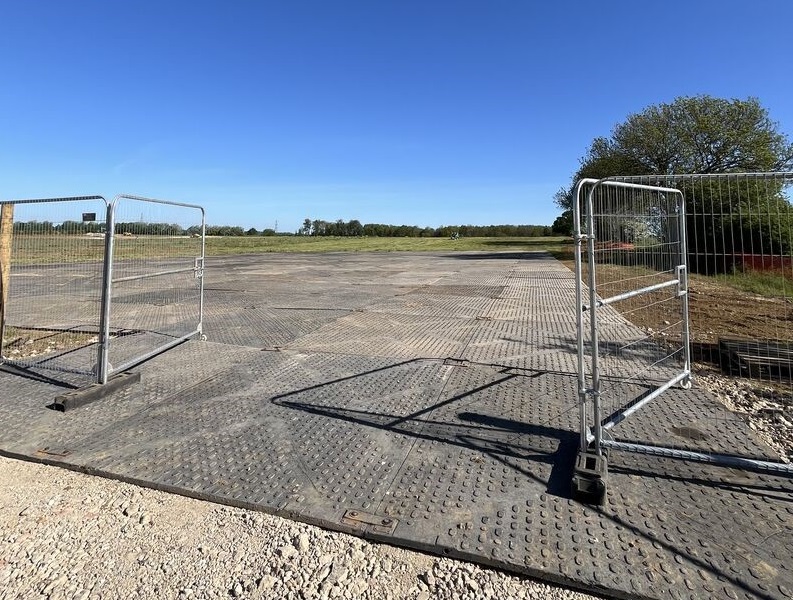
Temporary access routes, haul roads and working platforms for construction and civil engineering projects.
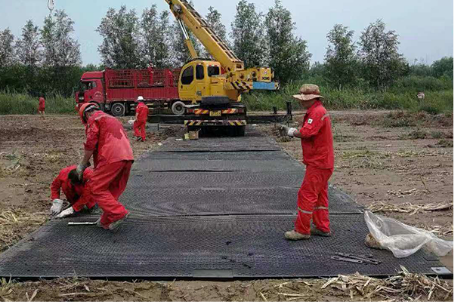
Ground protection and temporary access systems for cranes, heavy plant and lifting operations.
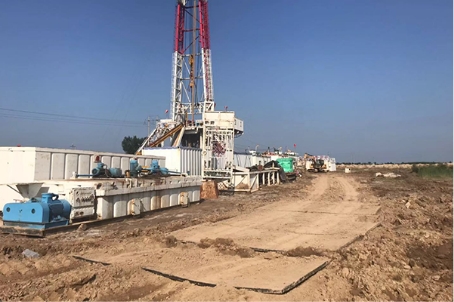
Temporary access solutions for road, rail and major infrastructure projects.
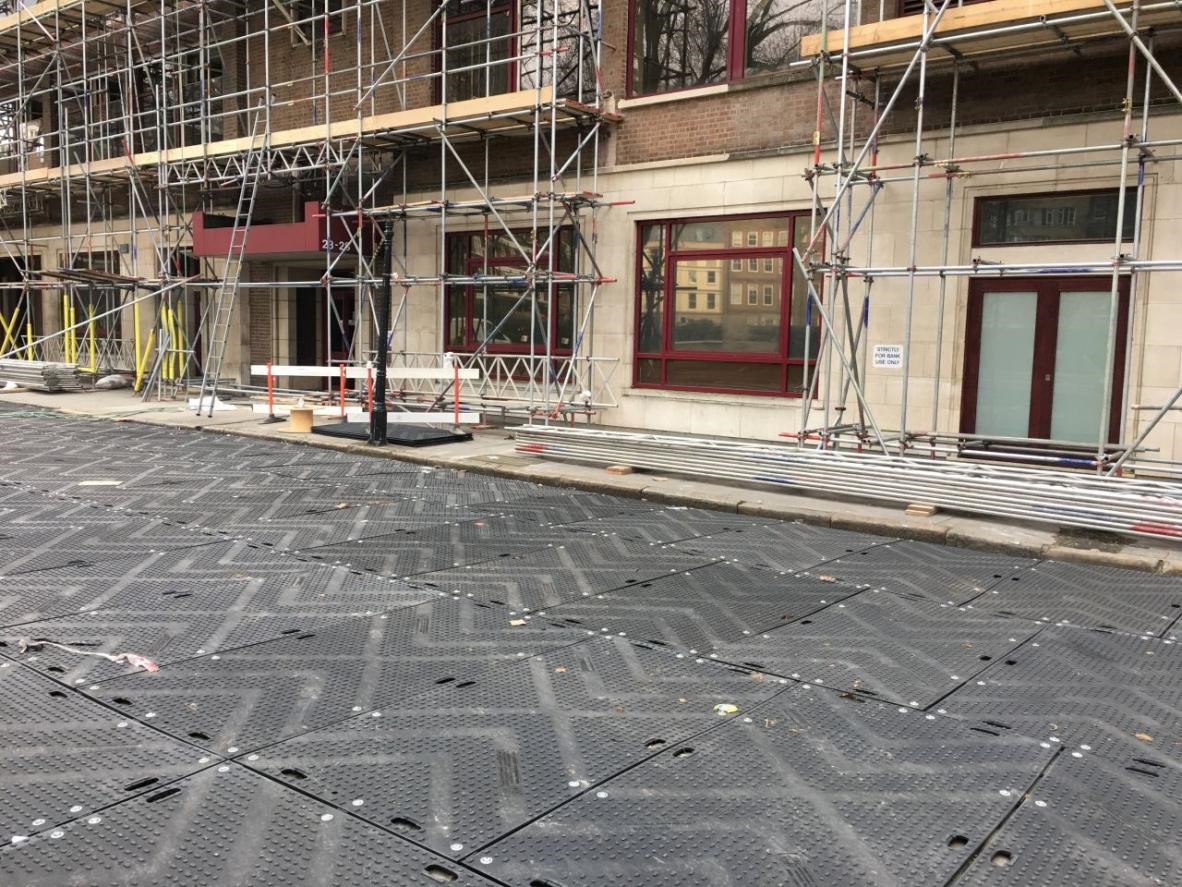
Reliable temporary routes for utility construction, maintenance and field operations.

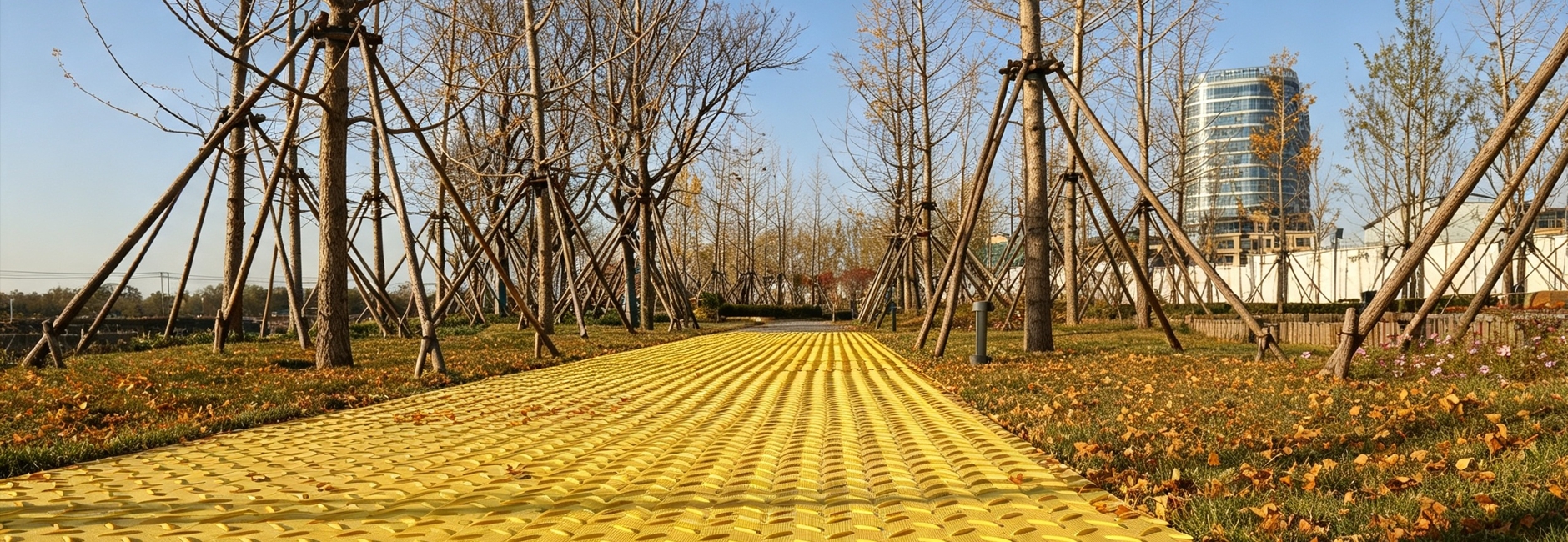
Our ground protection mats are designed to provide temporary access and help protect underlying surfaces across construction sites, infrastructure projects and other demanding working environments.
Manufactured from durable polymer materials, our mats are designed for repeated use in demanding site conditions. Material selection and product specifications vary by model and application.
Our mats create a temporary protective surface that helps distribute loads and reduce direct contact between vehicles or equipment and the underlying ground.
Purpose-designed surface patterns help provide traction for personnel, vehicles and equipment. Actual performance depends on the mat design, ground conditions and operating environment.
Designed for repeated deployment, our ground protection mats can be recovered, transported and reused across suitable projects, helping reduce the need for disposable temporary surfacing materials.
Depending on the product model, available connection options allow individual mats to be joined together to create temporary access routes and working areas suited to project requirements.